
The Allure of Chance and Uncertainty
Casino gambling tantalizes players with the thrill of chance and the uncertainty of outcomes. This unpredictability serves as a significant motivator, captivating individuals who find excitement in not knowing whether they will win or lose. The anticipation of hitting a jackpot or the next big win triggers a rush of adrenaline that can be addictive. For many, the lure of crypto gambling sites offers an additional layer of excitement, enhancing the unpredictive nature that attracts not just casual players, but also those who revel in the emotions associated with possible victories.
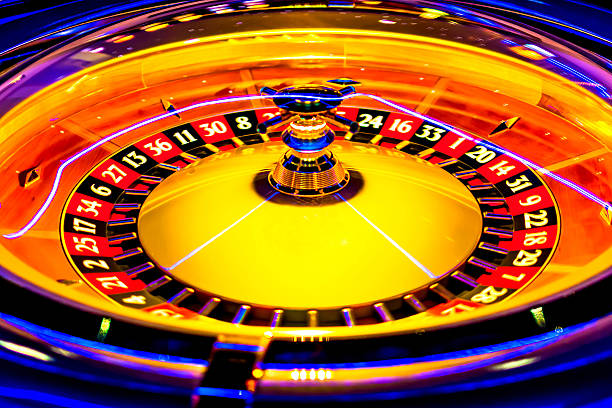
The psychology behind this thrill can be traced to our innate desire for risk-taking. Many people enjoy the euphoria that comes from taking a chance, as it provides a temporary escape from everyday life. Players are often drawn to the sensory-stimulating environments of casinos, where flashing lights and energizing sounds amplify this sensation of excitement and unpredictability.
The Role of Cognitive Biases
Cognitive biases significantly influence gambling behavior, often leading players to misinterpret statistical probabilities. The illusion of control bias, for instance, causes bettors to believe they have some influence over random events, like rolling dice or spinning a roulette wheel. This belief can drive continued play, as individuals feel empowered by their perceived control over outcomes, even when results are purely random.
Additionally, the gambler’s fallacy—where players wrongly believe that past results affect future outcomes—can further fuel gambling participation. These biases create a psychological environment where players feel compelled to keep playing, even when rationality suggests they should walk away. Understanding these cognitive traps is crucial, as they underscore why players may repeatedly return to casinos, often against their better judgment.
The Social Aspect of Gambling
Another key motivator for players is the social interaction that casinos provide. Gambling is not solely an individual endeavor; it often involves communal experiences, whether at the poker table or while playing slot machines. The social dynamics enhance enjoyment, as players share moments of triumph and defeat with others, forging connections over shared thrills.
Furthermore, the presence of friends or companions can encourage longer gambling sessions and foster a sense of belonging within the casino environment. For some, the social aspect of gambling can be more rewarding than the act of playing itself, as it offers companionship and shared entertainment, making it a multidimensional experience.
The Thrill of Winning and the Dread of Losing
The psychological push and pull of winning and losing play a pivotal role in casino gambling. The euphoria associated with winning can release dopamine, a neurotransmitter linked to pleasure and reward, reinforcing the desire to gamble. This biochemical reaction creates a cycle where players are driven to experience that high repeatedly, often ignoring the inevitable losses that come with gambling.
Conversely, the fear of losing can also be a powerful motivator. Many players experience a strong aversion to losses, which can lead to chasing losses—continuing to gamble in an attempt to recoup what has been lost. This behavior highlights an interesting aspect of gambling psychology, where the emotional responses to winning and losing can override logical decision-making, resulting in a complex relationship with risk-taking.
Understanding the Casino Experience
An essential aspect of exploring gambling psychology is understanding the environment that casinos create. Casinos are designed to be immersive, with stimulating visuals, enticing sounds, and the constant availability of games encouraging players to remain engaged longer than they initially intended. This carefully crafted atmosphere plays a significant role in shaping how players perceive their experiences.
The ambiance of a casino can amplify feelings of excitement, making it easy for individuals to lose track of time and money. Many players may walk into a casino with a budget, only to find themselves swept up in the excitement of the moment, driven by the architecture and design that fosters an all-consuming gambling experience. By recognizing these factors, players can better understand their motivations and behaviors while gambling.